
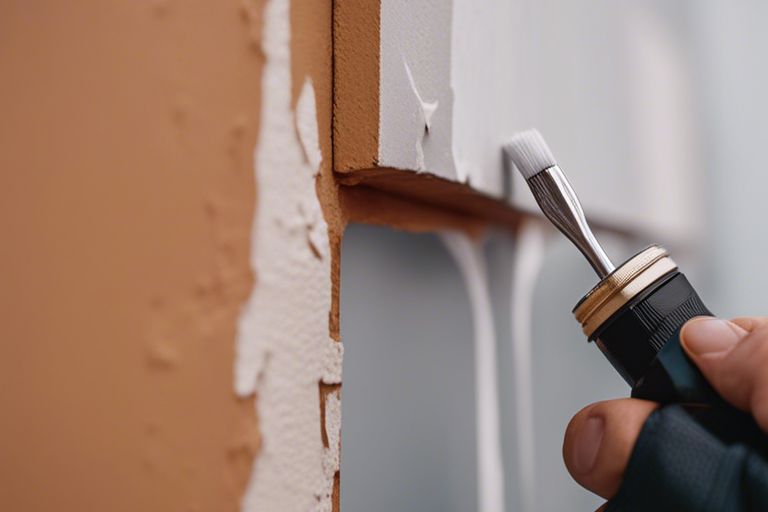
You may have noticed various imperfections on your walls, such as dents, cracks, or holes, and wonder whether to use paint or spackle to fix them. In this informative blog post, we will explore the differences between paint and spackle, how to properly use each one to repair imperfections on your walls, and which solution is the best for different types of flaws. By the end of this article, you will have a clear understanding of when to reach for the paintbrush and when to opt for the spackle knife when it comes to addressing your home’s imperfections.
1. Paint covers minor flaws, spackle repairs larger imperfections.
2. Spackle best for holes and deep scratches in walls.
3. Paint- quick fix, spackle- better for long-term solutions.
4. Spackle needs time to dry before painting over it.
5. Decide based on the type and size of imperfections.
6. Consider hiring a professional for expert advice and execution.
Understanding Spackle
What is Spackle?
Any homeowner who has tackled a home improvement project has likely come across the term ‘Spackle’. Spackle is a versatile paste-like substance that is used to fill in cracks, holes, and other imperfections on walls and ceilings before painting. It is typically made of gypsum powder and binders that create a smooth and hard finish once dried.
Advantages of Using Spackle
Advantages of using Spackle include its quick drying time, ease of application, and ability to be painted over seamlessly. Spackle is also sandable, allowing for a smooth and flawless finish that blends seamlessly with the rest of the surface.
Plus, Spackle is available in different formulations, such as lightweight and quick-drying options, making it suitable for various repair needs. Whether you are fixing a small nail hole or covering up a larger crack, there is a Spackle product to suit your specific requirements.
When to Use Spackle
Spackle is best used for filling in small to medium-sized holes, cracks, dents, and imperfections on interior walls and ceilings. It is ideal for repairing minor damage caused by everyday wear and tear, as well as for prepping surfaces before painting or wallpapering.
The versatility of Spackle makes it a go-to solution for DIYers and professionals alike when it comes to achieving a smooth and flawless finish on walls and ceilings. It is a must-have tool in any homeowner’s arsenal for maintaining a beautiful and well-maintained home.
Exploring Paint Options
Unlike Paint that will hide a wall’s sins, exploring different paint options can be a game-changer when it comes to beautifying your home’s imperfections. Let’s research into the various paint choices available to help you achieve that flawless finish you desire.
Types of Paint
Understanding the types of paint available is crucial in making the right choice for your home. Whether you opt for flat, eggshell, satin, semi-gloss, or high-gloss paint, each type offers unique benefits that can cater to your specific needs. Thou, flat paint is excellent for hiding imperfections, while high-gloss paint provides a durable and washable finish that is ideal for high-traffic areas.
Benefits of Painting
For a quick and effective solution to conceal imperfections on your walls, painting is the way to go. Not only does it offer a cost-effective method to refresh the look of a room, but it also allows you to express your style through a range of colors and finishes. Additionally, painting can enhance the overall aesthetic appeal and ambiance of your living space.
When to Choose Paint over Spackle
To determine when to choose paint over spackle, consider the extent of the imperfections on your walls. If you are dealing with minor dents, scratches, or uneven surfaces, opting for a fresh coat of paint can easily camouflage these flaws and provide a seamless finish. Keep in mind that painting is a less time-consuming and labor-intensive process compared to spackling, making it a convenient choice for quick home improvements.
Combination Techniques
All What kind of drywall defects can primer / paint hide
How to Combine Paint and Spackle
An effective way to tackle imperfections in your walls is to combine paint and spackle. Start by applying spackle to fill in any cracks or holes, then sand it down until smooth. Once the spackle is dry, apply a coat of primer before painting the wall. This technique helps create a seamless finish while hiding any flaws.
Tips for a Seamless Finish
- Prepare the surface by cleaning and sanding it before applying spackle
- Use a good quality primer to ensure better adhesion and coverage
- Apply paint in thin, even coats to avoid drips and uneven texture
- Allow each layer to dry completely before applying the next one
- Assume that proper preparation and patience are key to achieving a flawless result
Painting over spackled areas can help blend imperfections seamlessly, creating a smooth and uniform finish on your walls. Make sure to choose a paint color that matches the surrounding area to maintain a consistent look throughout the room.
Combining paint and spackle is a great way to address minor imperfections in your walls. By filling in gaps with spackle and then painting over them, you can achieve a polished and professional finish. This method is particularly useful for small repairs and touch-ups around the house.
To wrap up
Considering all points, when it comes to addressing imperfections in your home, both paint and spackle have their merits depending on the specific imperfections you are dealing with. While spackle is great for filling in holes and cracks, paint can provide a smoother finish and better blend with the surrounding area. In the end, the best solution for your home’s imperfections will ultimately depend on the type and extent of the imperfections you are trying to address. It may be beneficial to consult with a professional to determine the most effective approach for achieving a flawless look in your space.