
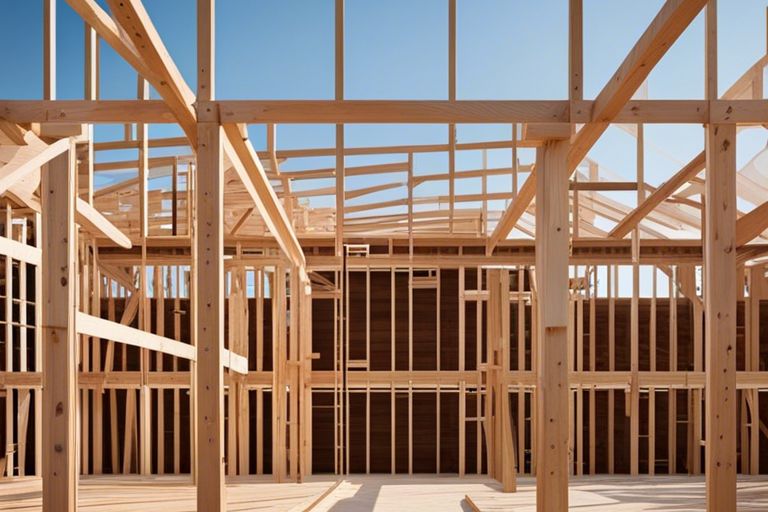
Techniques play a crucial role in ensuring the durability and strength of a building’s framework. The framing stage is vital in constructing a stable structure that can withstand the test of time and environmental elements. By employing the right framing techniques, builders can create a solid foundation that supports the entire edifice. In this blog post, we will explore key framing methods and strategies that are vital for ensuring a strong and stable structure. Whether you are a seasoned builder or a DIY enthusiast, understanding these framing techniques will be instrumental in achieving a safe and resilient construction project.
1. Plan out framing layout before starting construction.
2. Use diagonal bracing for added stability.
3. Incorporate headers and footers for support.
4. Place beams and joists at proper intervals.
5. Ensure all connections are secure and properly fastened.
6. Utilize trusses for large spans in roof framing.
Understanding the Basics of Structural Framing
There’s a crucial aspect of construction that ensures a strong and stable structure, and that is structural framing. To truly understand how to achieve a robust framework, it’s necessary to explore into the fundamentals of framing techniques. If you’re looking to explore advanced framing techniques, you can check out What are advanced framing techniques? for more insights.
Materials for Strong Framing
To ensure a solid and durable structure, the choice of materials for framing is paramount. Quality lumber, steel, or engineered wood products are commonly used in framing to provide the necessary strength and stability. Proper selection and treatment of materials play a significant role in the longevity and reliability of the framing system.
Key Principles in Framing Design
With framing design, there are key principles that lay the foundation for a strong and stable structure. Understanding the load-bearing capacities of different building elements, such as walls, beams, and columns, is necessary in creating a structurally sound framework. Proper alignment, spacing, and bracing of framing members are also vital aspects that contribute to the overall stability and performance of the structure.
Essential Framing Techniques for Stability
Balloon Framing Fundamentals
The framing technique of balloon framing is a traditional method that involves long, continuous framing members running from the foundation to the roof. This method provides superior structural stability by eliminating the need for interior load-bearing walls, allowing for open and spacious interiors in the construction.
Platform Framing Advantages
With platform framing, each floor is built separately on top of the one below, providing a more straightforward and efficient construction process. This technique is popular for its ease of installation, cost-effectiveness, and suitability for a wide range of building designs.
Fundamentals
Platform framing offers several advantages, such as flexibility in design, adaptability to various architectural styles, and efficient material usage. It is the go-to choice for many modern construction projects due to its structural reliability and ease of construction.
Advanced Framing Strategies
- Portal Frame Method
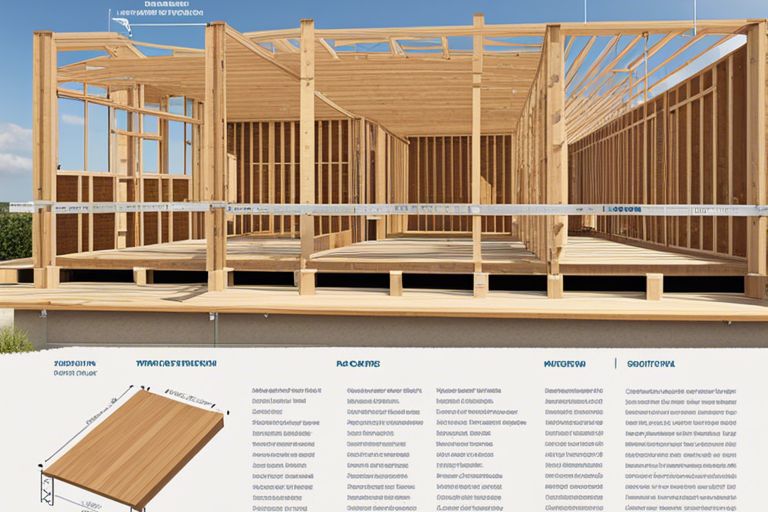
Advanced framing techniques are necessary for ensuring a strong and stable structure. The portal frame method is a popular choice among builders looking to maximize structural integrity. This technique involves creating a series of portal frames within the structure, which are strong and rigid to support the overall load. By strategically placing these frames, builders can distribute the weight evenly and reduce the need for excessive framing materials.
Post-and-beam Framework Planning
To achieve a robust and durable structure, post-and-beam framework planning is another effective strategy. This method involves using vertical posts and horizontal beams to support the weight of the building. By carefully considering the placement and spacing of these elements, builders can create a sturdy framework that can withstand various external forces, such as wind and earthquakes.
Plus, post-and-beam framework planning allows for greater design flexibility, as the vertical posts can be strategically placed to create open and spacious interiors. This technique is particularly useful for creating large, open-concept spaces while maintaining structural integrity.
External Factors Influencing Frame Stability
For a strong and stable structure, it is necessary to consider external factors that can influence frame stability. Factors such as the geographical location, weather conditions, and surrounding environment play a crucial role in determining the durability and strength of a frame. It is important to assess these external factors to ensure a robust and reliable frame that can withstand various challenges. Perceiving the impact of external factors is vital in constructing a frame that will last for years to come.
Weather Considerations in Framing
Weather conditions have a significant impact on the stability of a frame. Extreme weather conditions such as heavy rain, snow, strong winds, or high humidity can weaken the structure over time. Proper measures should be taken to protect the frame from these elements, such as using pressure-treated lumber, waterproof sealants, and proper insulation. Regular maintenance and inspection to check for any weather-related damage are also crucial for ensuring the longevity of the frame.
Load-Bearing Calculations
Calculations for load-bearing are a critical aspect of framing to ensure structural integrity and safety. Load-bearing calculations involve determining the weight that the frame must support, including dead loads (permanent materials in the structure) and live loads (temporary or moving weights). Engineers and architects use complex formulas and equations to calculate the required size and spacing of beams, columns, and other structural elements to safely support the intended loads. These calculations are necessary for preventing structural failures and ensuring the stability of the frame.
For more information on different construction framing methods, check out Comparing 3 Construction Framing Methods.
To wrap up
So, choosing the right framing techniques is crucial for ensuring a strong and stable structure. By prioritizing proper bracing, cross-bracing, and corner bracing, you can significantly increase the stability and durability of your building. Additionally, making sure to follow building codes and regulations, using high-quality materials, and working with experienced professionals are necessary steps in creating a structurally sound construction. By applying these framing techniques diligently, you can guarantee a solid and secure foundation for your building that will withstand the test of time.